The holidays are coming: a skin-contact wine for Romagna’s traditional cappelletti in broth
Today Sadifruttirossi pairs a lovely glass of wine with a steaming bowl of cappelletti in broth, a Romagna tradition.
December is almost here. The mild autumn weather has given way to a nice chill. Crisp, fresh days have been with us for a few weeks now, and what better way to warm up at the table than a hot bowl of broth? As the holidays approach, Romagna’s “azdore” — in dialect, literally “the woman who runs the family” — can’t wait to dust off their rolling pins and get to work making kilos of cappelletti to cook in hot broth.
My grandmother Pina — 99 next 25 January, and by now famous on Sadifruttirossi (I mention her often, don’t I?) — always tells me that you start with a good broth, then a great filling and a fantastic sheet of pasta. Mix them all, seasoned with plenty of passion and romance, and you have the recipe for every Romagnolo’s Christmas happiness. In the past, cappelletti were usually made the evening before the meal and closed one by one, with all the women and children of the house joining in.
Today Sadifruttirossi wants to pair a good glass of wine with a steaming bowl of cappelletti in broth, a Romagna tradition.
Tradition or not, the first official mention of Romagna cappelletti dates to 1811, when the Kingdom of Italy launched a survey of the customs, traditions and dialects of rural people. Drawing on it, the Prefect of Forlì briefly mentioned cappelletti: “At Christmas,” wrote Prefect Staurenghi, “every family makes a soup of filled pasta with ricotta called cappelletti.” “The greed for this soup is so widespread that everyone, and above all the priests, bet on who can eat the most, and some reach 400 or 500. Every year this custom causes the death of someone from severe indigestion.”
Romagna’s Christmas cappelletti tradition goes with a bowl of piping-hot broth, usually capon, and with enjoying the dish in winter.
To find the best match for our beloved cappelletti in broth, Sadifruttirossi is in Imola today, at the Tre Monti estate.
“We are what we… drink,” the Navacchia family reminds us.
The estate has two farms, one in the Forlì hills and one in the Imola hills. The first, Petrignone, covers about 28 hectares in a splendid position in the Forlì hills: a striking terrace over the Romagna plain at about 150 metres above sea level.
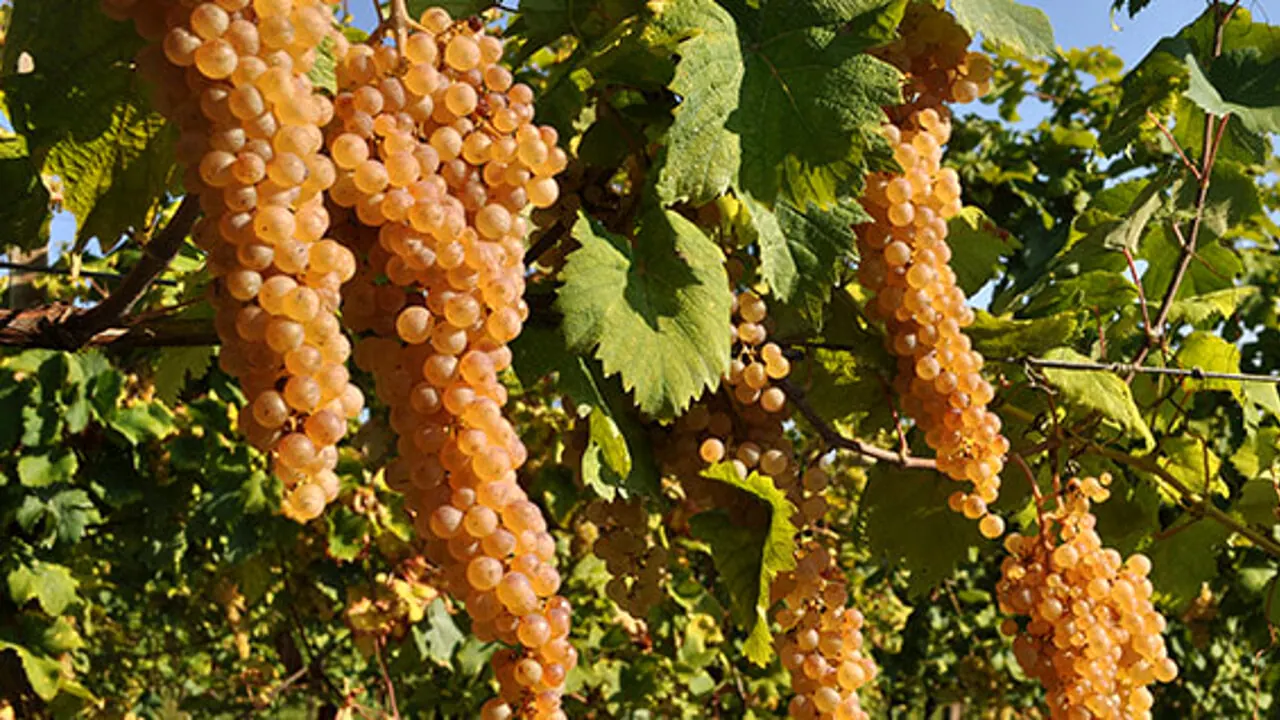
The second, Bergullo — also home to the estate’s headquarters — is in the Tre Monti area on the first hills of Imola, at about 100 metres, with some 26 hectares, all vineyards. The vines face south–south-east. The soil is mainly silty clay and very compact. Soil analysis confirmed what years of experience had shown: the position and make-up of the Imola plots make them particularly suited to white grapes. It is here, from a 1983 vineyard, that today’s wine is born: the famous, much-awarded “Vitalba”.
A little history: back in 1966 Sergio and Thea Navacchia bought the Imola farm with the idea of making good wine for a few friends. In 1974 the Tre Monti estate was founded, and its first harvest produced 10,000 bottles. In 2013 the first Georgian amphora entered the cellar and “Vitalba” was born; in just over three years Wine Enthusiast listed it among the world’s top 100 wines — a bold bet that paid off, and now the estate’s flagship white.
Tre Monti is a true pioneer of winemaking in Georgian amphorae (qvevri) in Romagna. For the Navacchia family the amphorae have become a wonderful tool, an incredible accelerator and concentrator of Albana’s development, without losing even a pinch of its varietal profile.
100% Albana, grown at about 100 metres on clay soils. Fermentation, maceration and ageing in a 470-litre Georgian amphora (qvevri), without selected yeasts or temperature control. A huge haul of awards for this Vitalba, aged in amphora for ten long months, including the AIS “4 viti” for 2021, confirmed for 2022.
The 2022 we taste is a rich, complex expression of Albana, born from the ancient practice of long skin maceration in Georgian amphorae to encourage a remarkable aromatic extraction.
On the nose, powerful aromas of exotic and dried fruit. On the palate it is dense and structured, with a light, delicate oxidative hint typical of amphora ageing. A dry white of structure and complexity, in a beautiful, very elegant golden colour. When you pour it into the glass, it will surprise you.
Its notable structure and long finish make it a fine choice to pair today with our bowl of Romagna cappelletti in broth. And, showing off as only Romagnoli can, you’ll also have a refined colour match to point out to your guests, who will be delighted by these two Romagna food-and-wine excellences, together to celebrate with you. For more tips and pairings, or just to say hello, send a direct message to the “sadifruttirossi” Instagram profile or email sadifruttirossi@gmail.com: I’ll be happy to help you choose the right Romagna wine for your dishes.
Ready? Let’s drink…